Homemade Basil Pesto Recipe – Fresh & Flavorful
Homemade basil pesto recipe perfection is just a few simple steps away! There’s something incredibly satisfying about transforming a handful of fresh ingredients into a vibrant, aromatic sauce that elevates almost any dish. It’s no wonder why basil pesto is a crowd-pleaser, instantly transporting us to sunny Italian kitchens with its bright, herbaceous flavor. Forget those store-bought jars; this homemade basil pesto recipe unlocks a depth of taste and a glorious texture that simply can’t be replicated. What makes it so special? It’s the pure, unadulterated essence of fresh basil, complemented by the nutty bite of pine nuts, the salty tang of Parmesan, and the richness of good olive oil. It’s a versatile masterpiece, perfect for pasta, spreading on sandwiches, drizzling over grilled vegetables, or even as a dip. Get ready to impress yourself and your loved ones with this easy, adaptable, and utterly delicious classic.
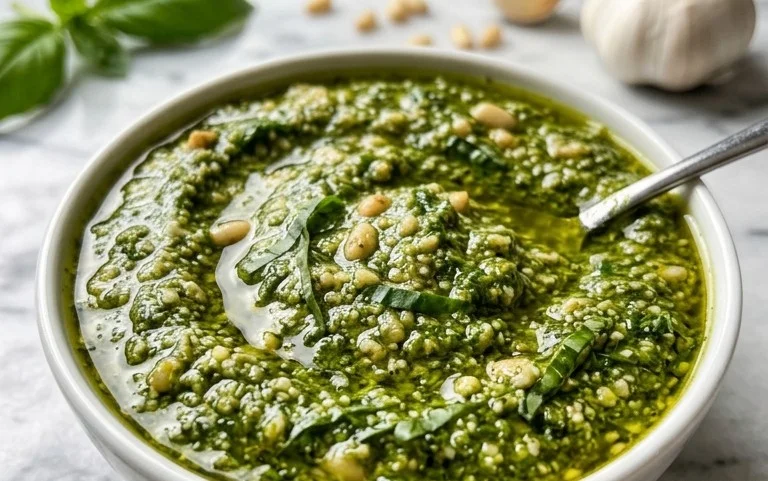
Homemade Basil Pesto Recipe
There’s something incredibly satisfying about making your own pesto. The vibrant green color, the non-intoxicating aroma of fresh basil, the nutty crunch of pine nuts – it’s a culinary experience that elevates any dish. Forget those jarred versions that can sometimes taste… well, a little sad. This homemade basil pesto is a game-changer, bursting with fresh, authentic flavor that will have you wondering why you ever bought it before. It’s incredibly versatile too! Drizzle it over pasta, spread it on sandwiches, toss it with roasted vegetables, or even use it as a dip. Making it is surprisingly simple, requiring just a few high-quality ingredients and a few minutes of your time. Let’s get started on creating this culinary masterpiece!
Ingredients:
- 4 ounces pine nuts
- 4 cups fresh basil (lightly packed)
- 3 garlic cloves
- 1 cup coarsely grated parmesan cheese
- 1 tbsp lemon zest
- 1 cup olive oil
- Kosher salt and fresh ground pepper, to taste
Getting Started: Preparing Your Ingredients
Before we dive into blending, it’s crucial to have all your ingredients prepped and ready to go. This ensures a smooth and efficient process.
First, let’s talk about the pine nuts. Toasting them is an optional but highly recommended step that truly unlocks their nutty flavor. You can do this in a dry skillet over medium-low heat for about 5-7 minutes, stirring constantly until they are fragrant and lightly golden. Be careful not to burn them, as they can go from perfectly toasted to burnt very quickly. Once toasted, let them cool completely. If you’re short on time or prefer a less intense nutty flavor, you can skip this step.
Next, the basil. Make sure your basil leaves are washed and thoroughly dried. Excess water can dilute the pesto and affect its texture. Gently pat them dry with paper towels or use a salad spinner. We’re looking for lightly packed cups, meaning you don’t want to press the leaves down too hard.
For the garlic, you’ll want to peel the cloves. You can adjust the amount of garlic to your personal preference – some like it strong, others prefer a milder hint. Three cloves is a good starting point.
Parmesan cheese is best when freshly grated. Pre-grated cheese often contains anti-caking agents that can affect the texture of your pesto. Aim for a good quality, hard parmesan for the best flavor and meltability.
The lemon zest adds a bright, fresh counterpoint to the richness of the pesto. Use a microplane or the fine side of a grater to get just the yellow part of the peel, avoiding the bitter white pith.
Finally, the olive oil. A good quality extra virgin olive oil will make a significant difference in the final taste of your pesto.
Blending Your Pesto: The Heart of the Recipe
Now comes the fun part – transforming these fresh ingredients into vibrant pesto! You have a couple of options for blending: a food processor or a mortar and pestle. While a mortar and pestle offers a more traditional and arguably superior texture, a food processor is undeniably faster and more convenient for most home cooks.
Method 1: Using a Food Processor
1. **Combine the Dry Ingredients:** In the bowl of your food processor, add the toasted (or untoasted) pine nuts and the peeled garlic cloves. Pulse a few times until they are roughly chopped.
2. **Add the Basil and Cheese:** Add the lightly packed basil leaves, grated parmesan cheese, and lemon zest to the food processor. Pulse again until everything is finely chopped and combined. Scrape down the sides of the bowl as needed to ensure everything is incorporated.
3. **Emulsify with Olive Oil:** With the food processor running on a low speed, slowly drizzle in the olive oil in a steady stream. Continue processing until the pesto reaches your desired consistency. Some people prefer a slightly chunkier pesto, while others like it super smooth. You can stop processing when it’s just right for you. Be careful not to over-process, as this can lead to a greasy texture.
4. **Season to Perfection:** Once the pesto is blended, taste it and season generously with kosher salt and freshly ground black pepper. Pesto often needs more salt than you might initially think to really bring out all the flavors. Stir well to combine and taste again, adjusting seasoning as needed.
Method 2: Using a Mortar and Pestle (for the traditionalists!)
If you’re feeling adventurous and want to experience the classic way of making pesto, a mortar and pestle is your tool.
1. **Grind the Garlic and Pine Nuts:** In the mortar, add the peeled garlic cloves and a pinch of salt. Grind them into a paste using the pestle. Add the pine nuts and continue grinding and mashing until a coarse paste forms.
2. **Incorporate the Basil:** Add the basil leaves gradually, a handful at a time. Work the pestle in a circular motion against the sides of the mortar, crushing and incorporating the basil until it’s finely chopped and combined with the garlic and pine nuts. This step requires patience and some elbow grease!
3. **Add Cheese and Zest:** Stir in the grated parmesan cheese and lemon zest. Continue to mix and mash until everything is well combined.
4. **Slowly Add Olive Oil:** Drizzle in the olive oil, a little at a time, while continuously stirring with the pestle. Keep adding oil and stirring until the pesto reaches your desired consistency. It will likely be a bit looser than what you might achieve with a food processor.
5. **Season:** Season with kosher salt and freshly ground black pepper to taste, stirring thoroughly to distribute the seasoning evenly.
Storing Your Homemade Pesto
Once your delicious homemade pesto is ready, it’s time to consider how to store it. Pesto is best enjoyed fresh, but it will keep for several days in the refrigerator. To maximize its shelf life and preserve its vibrant green color, transfer the pesto to an airtight container. Before sealing, you can pour a thin layer of olive oil over the top of the pesto. This acts as a barrier, preventing oxidation and keeping the basil from browning. It should last for about 5-7 days in the refrigerator.
For longer storage, pesto freezes beautifully. You can portion it into ice cube trays, freeze until solid, then transfer the pesto cubes to a freezer-safe bag or container. This makes it easy to thaw just the amount you need for a quick meal. Frozen pesto will last for several months.
Enjoy your incredible homemade basil pesto!
Conclusion:
Making homemade basil pesto is such a rewarding experience! It’s incredibly simple, yet the vibrant, fresh flavors elevate everything it touches. The bright aroma of basil combined with the nutty richness of pine nuts and the sharpness of Parmesan cheese creates a truly irresistible sauce. This recipe is a keeper for so many reasons: it’s quick to whip up, requires minimal ingredients, and tastes infinitely better than anything store-bought. I encourage you to give this fantastic homemade basil pesto recipe a try. You’ll be amazed at how easy it is to achieve such authentic, delicious results in your own kitchen!
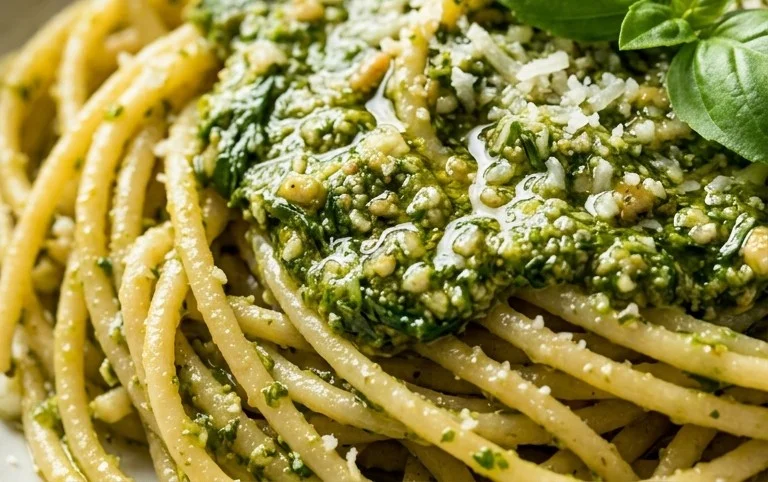
Don’t limit yourself to just pasta! This versatile pesto is wonderful dolloped onto grilled chicken or fish, spread on sandwiches or wraps, mixed into scrambled eggs, or even as a dip for fresh vegetables. Get creative and enjoy all the ways you can use this delightful basil creation.
Frequently Asked Questions:
Q: How long does homemade basil pesto last?
A: Stored properly in an airtight container in the refrigerator, your homemade basil pesto should stay fresh for about 5-7 days. To maximize its shelf life, consider pouring a thin layer of olive oil over the surface before sealing to prevent oxidation. For longer storage, you can freeze pesto in ice cube trays and then transfer the frozen cubes to a freezer bag.
Q: Can I substitute the pine nuts?
A: Absolutely! While pine nuts are traditional, you can easily substitute them with other nuts or seeds. Walnuts, almonds, or even sunflower seeds offer a delicious and often more budget-friendly alternative. Toasting your chosen substitute briefly before adding them can enhance their flavor.
Q: My pesto seems a bit too thick. What can I do?
A: No problem! If your basil pesto is too thick for your liking, simply stir in a little more extra virgin olive oil, a tablespoon at a time, until you reach your desired consistency. You can also add a splash of water or even a squeeze of lemon juice, which can also brighten the flavor.
Homemade Basil Pesto Recipe
A classic and vibrant homemade basil pesto, perfect for pasta, sandwiches, and more.
Ingredients
-
4 ounces pine nuts
-
4 cups fresh basil (lightly packed)
-
3 garlic cloves
-
1 cup coarsely grated parmesan cheese
-
1 tbsp lemon zest
-
1 cup olive oil
-
kosher salt, to taste
-
fresh ground pepper, to taste
Instructions
-
Step 1
Toast the pine nuts in a dry skillet over medium heat until fragrant and lightly golden, about 3-5 minutes. Let them cool. -
Step 2
In a food processor, combine the toasted pine nuts, fresh basil, and garlic cloves. Pulse until roughly chopped. -
Step 3
Add the grated parmesan cheese and lemon zest to the food processor. Pulse again to combine. -
Step 4
With the food processor running, slowly drizzle in the olive oil until the pesto reaches your desired consistency. It should be smooth but still have some texture. -
Step 5
Season the pesto with kosher salt and fresh ground pepper to taste. Pulse a few more times to incorporate. -
Step 6
Transfer the pesto to a clean jar or airtight container. For longer storage, pour a thin layer of olive oil over the top to prevent browning.
Important Information
Nutrition Facts (Per Serving)
It is important to consider this information as approximate and not to use it as definitive health advice.
Allergy Information
Please check ingredients for potential allergens and consult a health professional if in doubt.