Easy Chimichurri Sauce Recipe- Fresh Argentinian Flavor
Chimichurri sauce recipe perfection is within your reach! This vibrant, herbaceous condiment, originating from Argentina and Uruguay, is an absolute game-changer for any grilled meat, roasted vegetables, or even just a simple piece of crusty bread. If you’ve ever enjoyed a perfectly grilled steak at a South American barbecue, chances are you’ve experienced the magic of this zesty sauce. Its bright, fresh flavor profile, a delightful dance of parsley, oregano, garlic, vinegar, and olive oil, cuts through richness and adds an irresistible zing. What makes this chimichurri sauce recipe so special is its incredible versatility and how effortlessly it transforms everyday meals into something extraordinary. It’s incredibly simple to make, yet the result is a complex symphony of flavors that’s simply addictive. Get ready to elevate your culinary game with this essential chimichurri sauce recipe!
Chimichurri Sauce Recipe
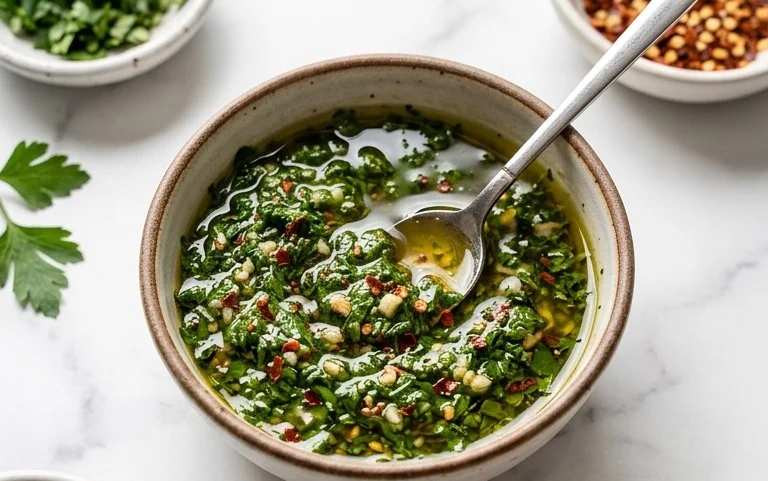
Ah, chimichurri! This vibrant, herbaceous Argentinian sauce is a revelation. Forget boring condiments; chimichurri is an explosion of fresh flavors that can elevate everything from grilled meats to roasted vegetables. It’s incredibly versatile, surprisingly easy to make, and once you’ve tasted it, you’ll wonder how you ever lived without it. This recipe is my go-to, delivering that perfect balance of zesty, garlicky, and herby goodness that makes any dish sing.
The beauty of chimichurri lies in its simplicity and the quality of its fresh ingredients. It’s not about cooking; it’s about finely chopping and marrying these beautiful components into a harmonious sauce. It’s a fantastic way to add a burst of freshness to your meals, especially during grilling season. Imagine a perfectly grilled steak, brushed with this bright green elixir – pure culinary bliss! Or drizzled over roasted potatoes, chicken, or even fish; it adds an instant je ne sais quoi.
Ingredients:
- 1 cup fresh Italian flat-leaf parsley (, leaves only, stems removed)
- 1/4 cup fresh cilantro (, leaves only, stems removed)
- 1/4 cup fresh oregano (, leaves only, stems removed)
- 1/3 cup roughly chopped red onion or shallots
- 3 cloves garlic (, peeled)
- 1/2 teaspoon red pepper flakes
- 1/2 cup extra-virgin olive oil
- 1/4 cup red grape juice vinegar
- 3 tablespoons fresh lemon juice
- 1 teaspoon kosher salt
Making the Magic Happen: Step-by-Step Instructions
The process of creating chimichurri is less about complex cooking techniques and more about careful preparation and thoughtful assembly. We want to achieve a sauce that is finely chopped but still has some texture, allowing each ingredient to shine.
Step 1: Preparing the Fresh Herbs
This is where the freshness truly begins. Start by gathering your fresh herbs: parsley, cilantro, and oregano. It’s crucial to use only the leaves. The stems of parsley can be a little tough and fibrous, and while cilantro and oregano stems are more tender, removing them ensures a smoother sauce and prevents any bitterness from creeping in. For the parsley, give the leaves a good rinse and thoroughly pat them dry with paper towels. Water left on the leaves will dilute the flavors and can make the sauce oily. Do the same for your cilantro and oregano. Once dried, roughly chop them. We’ll be finely mincing them later, but a rough chop initially makes the subsequent mincing process much more manageable. You should aim for a generous cup of packed parsley leaves, about a quarter cup each of cilantro and oregano. Don’t be shy with the herbs; they are the soul of chimichurri.
Step 2: Mincing the Aromatics and Heat
Now, let’s move on to the flavor boosters. Take your roughly chopped red onion or shallots and your peeled garlic cloves. The original recipe suggests red onion or shallots, and either will work beautifully. Red onion offers a slightly sharper bite, while shallots provide a sweeter, more mellow flavor. For the garlic, three cloves should provide a nice punch without being overpowering. Mince these very finely. The goal is to have tiny pieces that will distribute evenly throughout the sauce. If you have a food processor, you can pulse the herbs, onion/shallots, and garlic together until they are finely chopped. Be careful not to over-process them into a paste; we want some distinct little pieces. If you’re doing this by hand with a sharp knife, it will take a bit more time, but the result is incredibly rewarding. You’ll want to have them chopped so finely that they almost resemble coarse dust. This is also the time to add your red pepper flakes. These are for a touch of gentle heat; you can adjust the amount based on your preference for spiciness. If you love a kick, feel free to add a little more!
Step 3: Combining the Wet Ingredients
In a medium-sized bowl, we’re going to bring together the liquid elements that will form the base of our dressing. Pour in your extra-virgin olive oil. Using a good quality olive oil is important here, as its flavor will be prominent. Next, add the red grape juice vinegar. This particular vinegar offers a lovely fruity tang that complements the herbs beautifully. If you can’t find red grape juice vinegar, a good quality red grape juice vinegar or even sherry vinegar vinegar will work as a substitute, though the flavor profile will be slightly different. Squeeze in the fresh lemon juice. Fresh lemon juice is non-negotiable for chimichurri; the bottled stuff just doesn’t have the same bright, zesty kick. Finally, add your kosher salt. Kosher salt dissolves well and its larger flakes are easy to measure. Whisk these ingredients together until they are well combined and slightly emulsified. This creates a lovely, aromatic liquid base for our herbs and aromatics.
Step 4: Marrying the Flavors
This is the most satisfying part – bringing all the prepared ingredients together. Gently add your finely chopped herb and aromatic mixture (from Step 2) into the bowl with the whisked liquid ingredients (from Step 3). Using a spoon or a spatula, stir everything together thoroughly. Make sure that the herbs and spices are evenly distributed throughout the oil and vinegar mixture. This is where the flavors start to meld. The acidity of the vinegar and lemon juice will begin to “cook” the garlic and onion slightly, softening their raw edge while intensifying their flavors. The salt will draw out moisture and further enhance the taste of the herbs.
Step 5: Resting and Tasting (The Crucial Step!)
Now, here’s a tip that many people overlook, but it makes a world of difference: let your chimichurri rest. Cover the bowl tightly with plastic wrap or transfer the chimichurri to an airtight container. Refrigerate it for at least 30 minutes, and ideally for an hour or two. This resting period allows the flavors to deepen and fully integrate. The herbs will soften slightly, and the garlic and onion will mellow into the sauce. Before serving, give it another good stir. Now, the most important part: taste it! This is your chance to adjust the seasoning. Does it need more salt? A touch more lemon juice for brightness? Perhaps a little more red pepper flakes for heat? Don’t be afraid to tweak it to your personal preference. Chimichurri is meant to be customized! You can serve it immediately, but I find it’s even better on the second day as the flavors continue to develop. It stores well in the refrigerator for up to a week. Enjoy this incredibly versatile and delicious sauce!

Conclusion:
There you have it! A simple yet incredibly flavorful Chimichurri Sauce Recipe that’s ready to elevate your meals. The beauty of this vibrant sauce lies in its fresh, zesty profile, boasting a perfect balance of herbaceous parsley, pungent garlic, a kick of chili, and the tang of vinegar. It’s incredibly versatile, making it a fantastic accompaniment to grilled meats, roasted vegetables, fish, and even as a dressing for salads. I encourage you to give this recipe a try; you’ll be amazed at how a few simple ingredients can transform an ordinary dish into something extraordinary. Don’t be afraid to experiment with the herb ratios or spice level to make it your own!
Frequently Asked Questions:
How long does chimichurri sauce last?
Properly stored in an airtight container in the refrigerator, this chimichurri sauce recipe will keep fresh for up to 5-7 days. The olive oil acts as a natural preservative. You might notice the color change slightly, but the flavor will remain excellent.
Can I freeze chimichurri sauce?
Yes, you absolutely can freeze chimichurri sauce! For best results, freeze it in an ice cube tray and then transfer the frozen cubes to a freezer-safe bag. This makes it easy to thaw just the amount you need. It’s best used within 2-3 months for optimal freshness.
What are some variations of this chimichurri sauce recipe?
You can easily customize this chimichurri sauce recipe! For a different herb profile, try adding a bit of cilantro or oregano. If you prefer a milder sauce, reduce the amount of red pepper flakes. Some people also add a touch of lemon juice alongside the red grape juice vinegar for an extra citrusy brightness.
Chimichurri Sauce Recipe
A vibrant and herbaceous Argentinian sauce perfect for grilling. This recipe is adapted for a non-alcoholic version.
Ingredients
-
1 cup fresh Italian flat-leaf parsley, leaves only, stems removed
-
1/4 cup fresh cilantro, leaves only, stems removed
-
1/4 cup fresh oregano, leaves only, stems removed
-
1/3 cup roughly chopped red onion
-
3 cloves garlic, peeled
-
1/2 teaspoon red pepper flakes
-
1/2 cup extra-virgin olive oil
-
1/4 cup red grape juice vinegar
-
3 tablespoons fresh lemon juice
-
1 teaspoon kosher salt
Instructions
-
Step 1
Finely chop the parsley, cilantro, and oregano. -
Step 2
In a food processor or blender, combine the chopped herbs, red onion, garlic, and red pepper flakes. Pulse until finely minced, but not a paste. -
Step 3
Transfer the herb mixture to a bowl. -
Step 4
Whisk in the extra-virgin olive oil, red grape juice vinegar, fresh lemon juice, and kosher salt until well combined. -
Step 5
Taste and adjust seasoning as needed. -
Step 6
For best flavor, let the chimichurri sauce rest for at least 15-30 minutes before serving to allow the flavors to meld.
Important Information
Nutrition Facts (Per Serving)
It is important to consider this information as approximate and not to use it as definitive health advice.
Allergy Information
Please check ingredients for potential allergens and consult a health professional if in doubt.